
In today’s fast-paced digital Era, business productivity centres on reliable IT infrastructure to reachability fast and quick feedback response worldwide . we can seen that Effective structured cabling (Power and data )systems , like those shown in this article as given multiple real ground picture to understand , now a days in digital world a critical role in data transmission and overall network stability ,performance and long life durability . By implementing a well-organized data and power cabling solution also to insure both types cables not go to same trays due to duration and may be impact performance , top companies can optimize operations and minimize downtime.
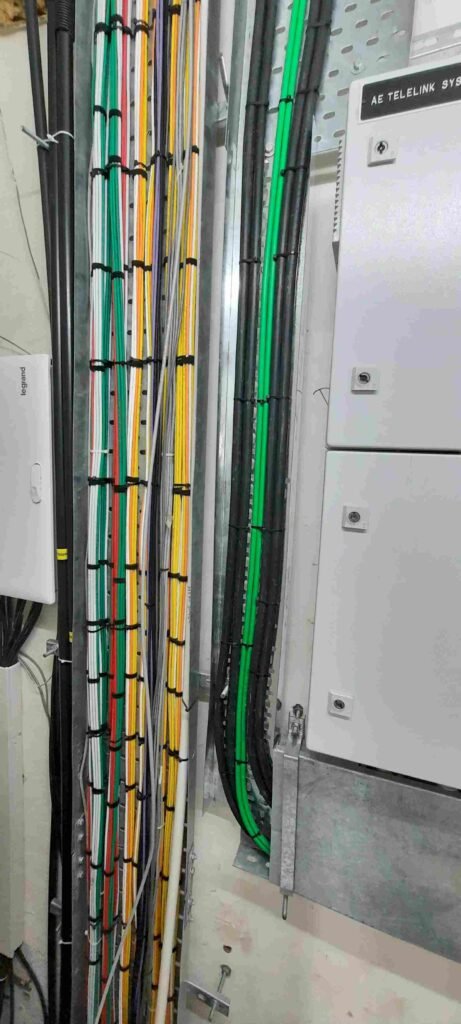
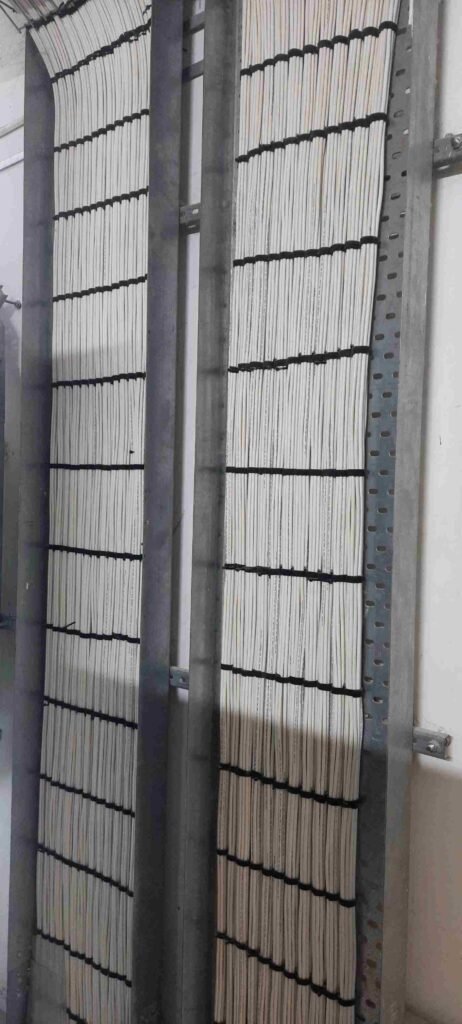
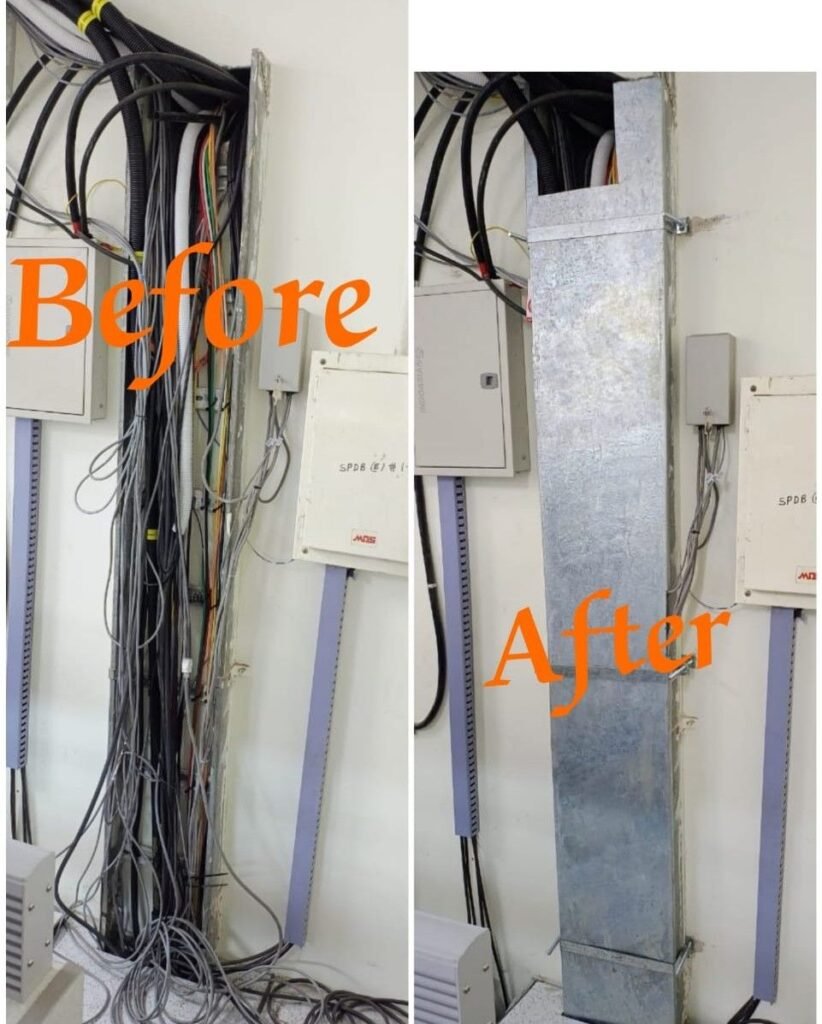
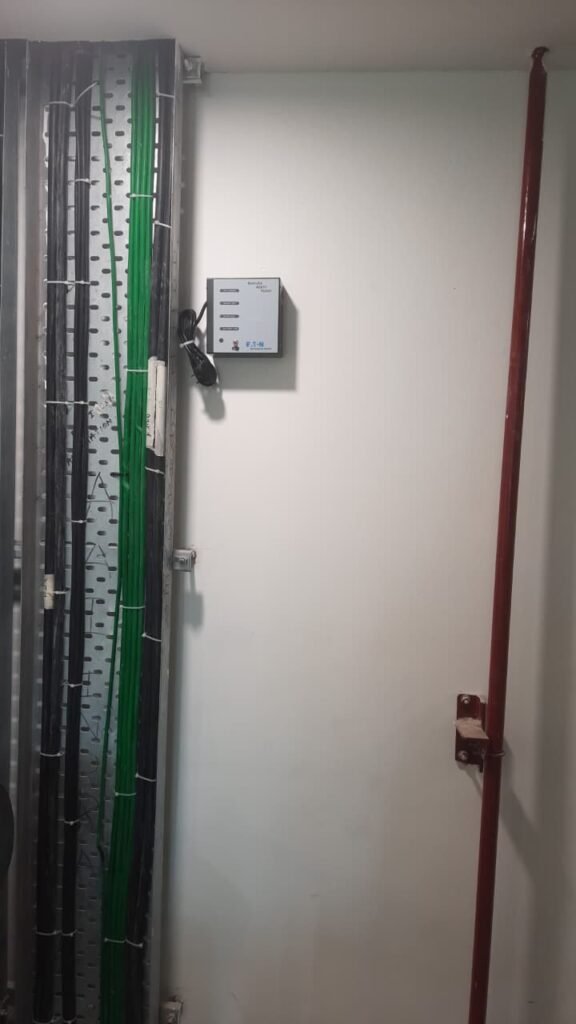
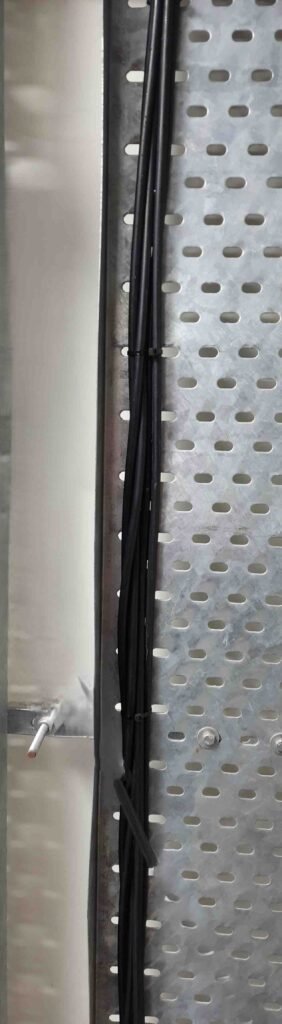
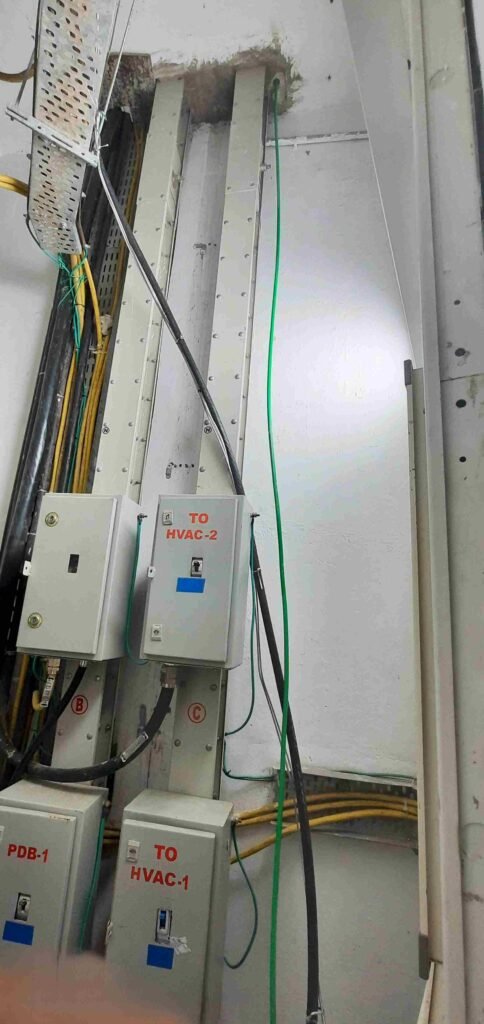
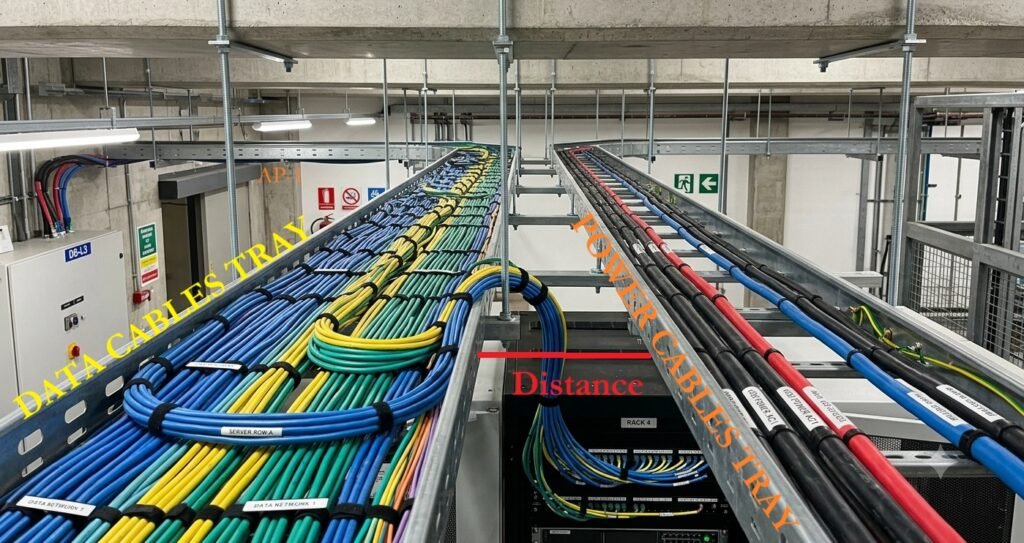
One of the foundations of structured cabling is the use of high-quality data central and AI Infrastructure, server rooms. Within these environments, large volumes of ethernet CAT6 cables and other network cables and power cables must be precisely managed to ensure optimal performance. As show below Picture, illustrating a neat and labeled data center, cabinets the importance of organized cable trays, distance between power and data trays and cabinets in maintaining a clean and functional space. Proper cable management, including the use of cable ties, Velcro and patch panels, reduces signal interference and simplifies future maintenance to do anyone by mentioned tags and proper management of cables.
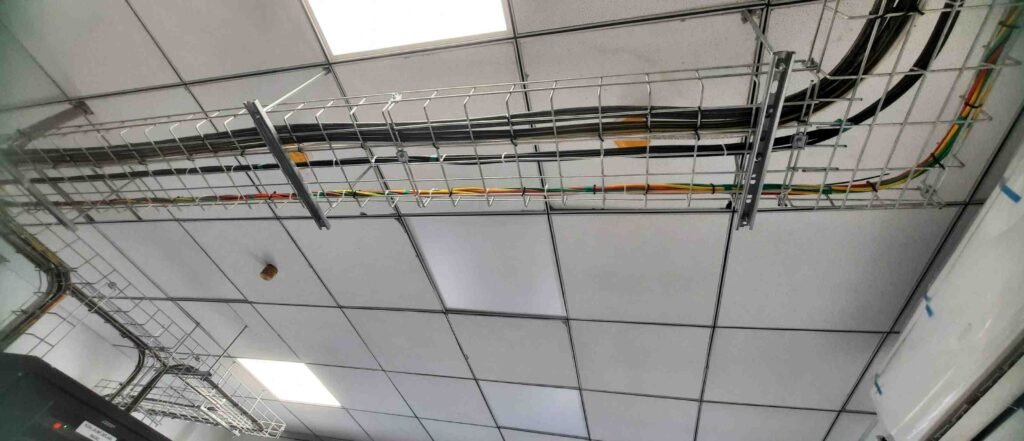
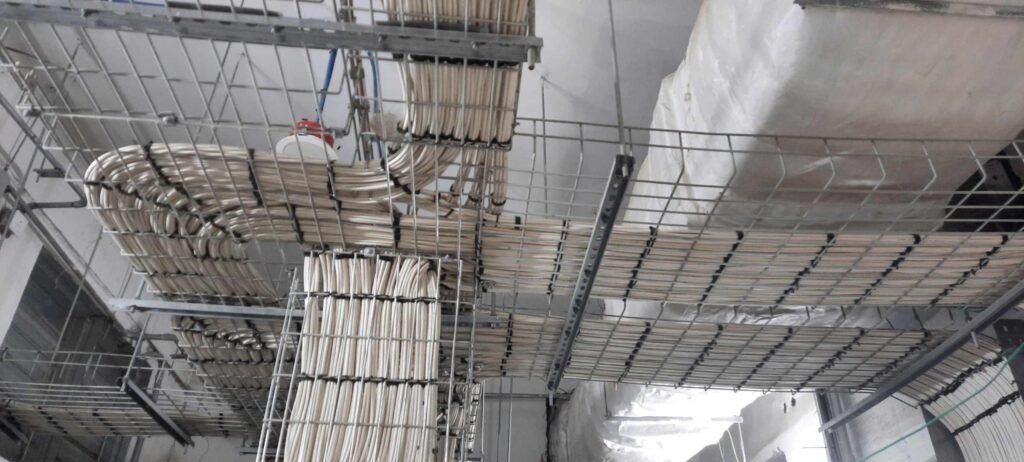
The design and installation of structured cabling systems are complex processes that require specialized expertise and skills. Professional network technicians and cabling outworkers follow industry standards, such as TIA/EIA, to ensure a scalable and robust infrastructure as without too downtime. Now a days a comprehensive cabling solution may include voice cabling, Power cabling, optical fiber (Single and Multimode), and high-speed data cables like Cat 5 , Cat6 and Cat6a. Image 2, displaying a workspace with efficient under-desk cable management, highlights how proper cabling can create a safer and more ergonomic environment for employees as well as origination.
The benefits of a well-designed structured cabling system extend beyond network reliability and well performance. It can support future growth, accommodate new technologies like a 6G, and simplify network upgrades. For businesses looking to optimize their IT infrastructure and improve overall efficiency, structured cabling is an essential investment without scatter of cables
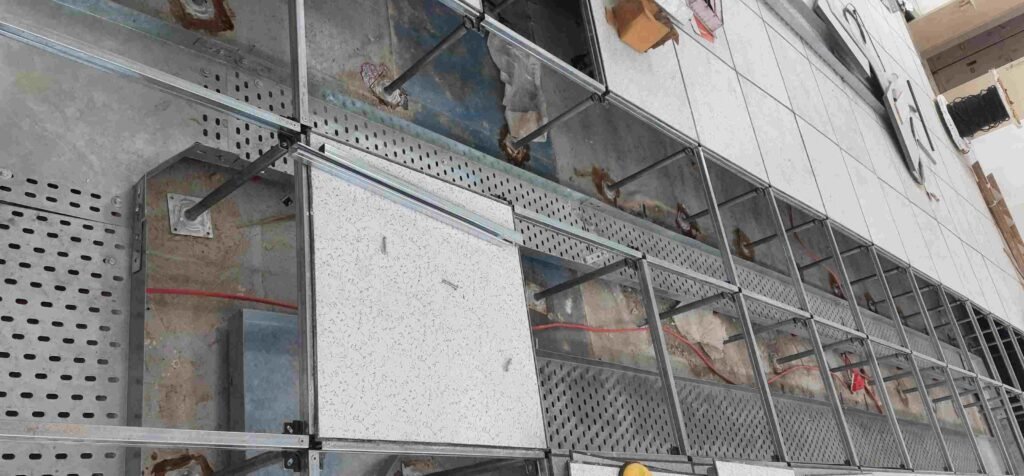
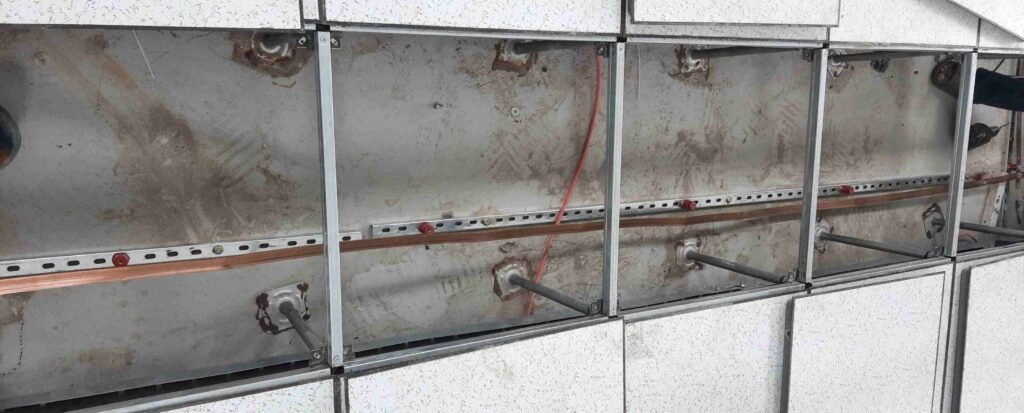
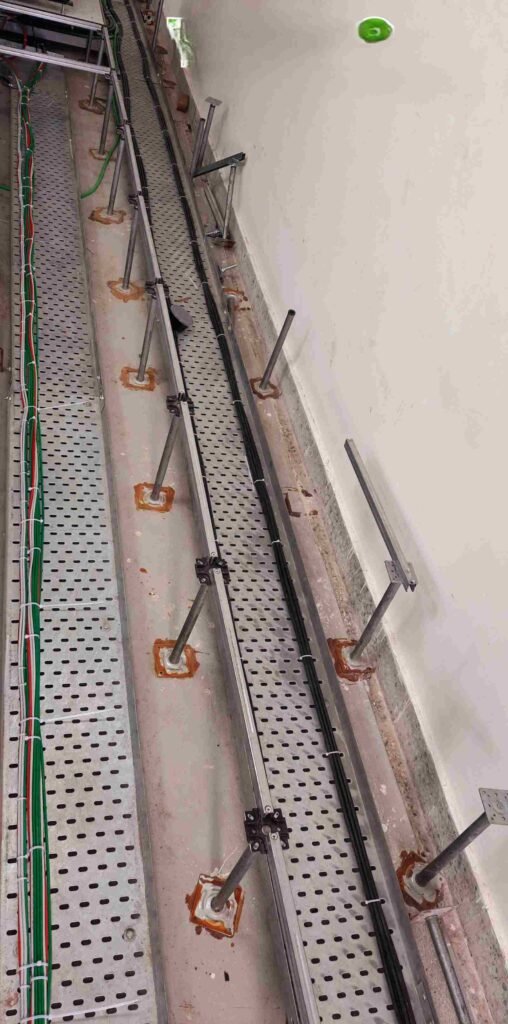
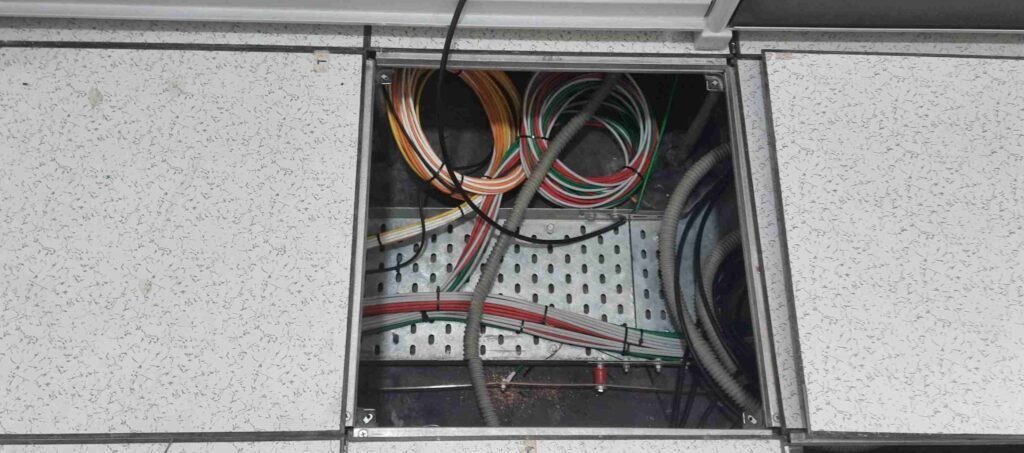
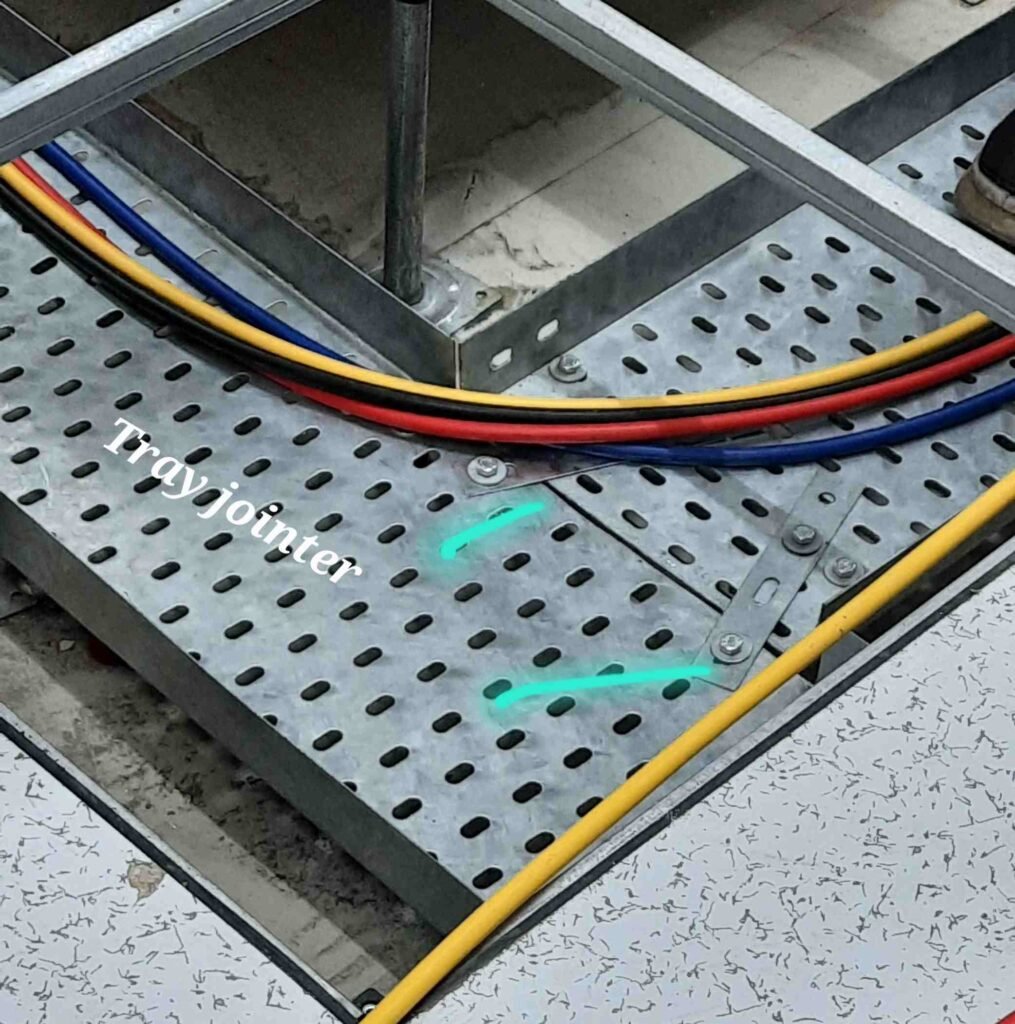
To ensure the success of your cabling project for aviation, defence, Telecom, AI ,Cloude computing ,Public data Centre, Network infrastructure and many more project works , consider partnering with experienced structured cabling companies and network design specialists. For more information on optimizing your network with high-quality cables, avoid bending of cables, contact a professional network infrastructure provider today.
Never run your data/signal cables in the same tray as your high-voltage power cables
Why You Can’t Mix Both types of cables:
- Electromagnetic Interference (EMI): Power cables carry high AC voltage, creating a magnetic field around them. This can lead to issues such as crosstalk, packet loss, system loading time increase, ping loss, slow internet speeds, and data corruption.
- . The Fire & Safety Hazard: If a high-voltage power cable overheats, short-circuits, or catches fire, pay attention to the environment and airflow during the maintenance of the data cable.
How is this actually done, and what is the solution/Method for the field project
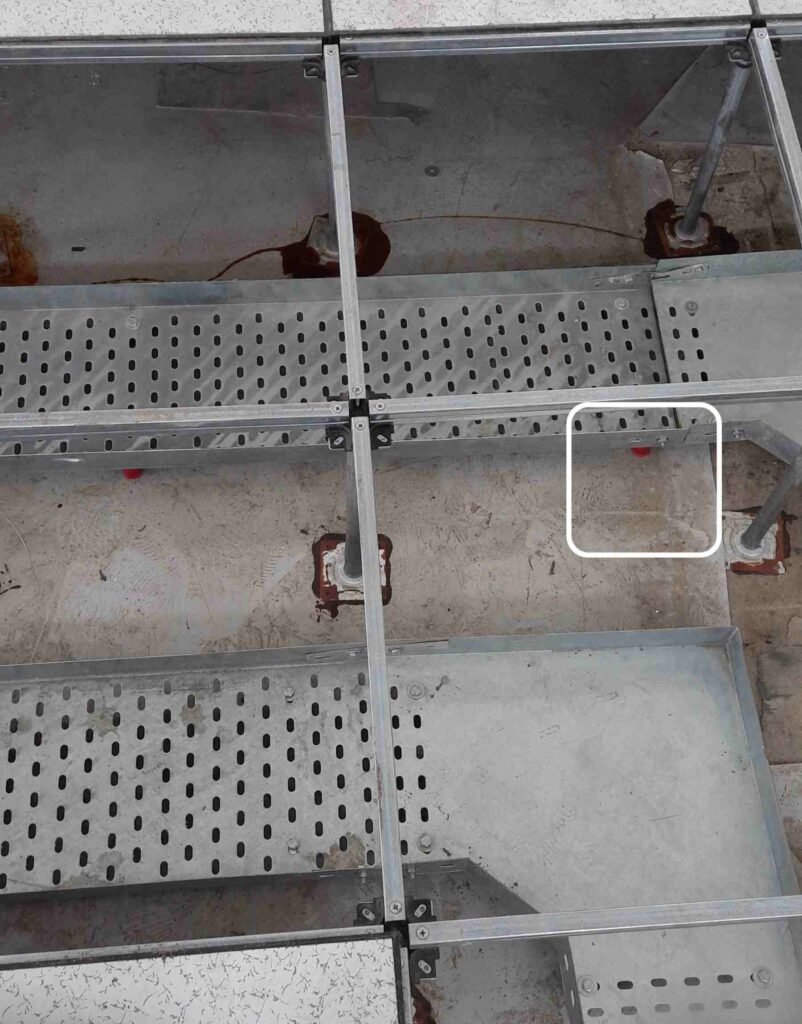
Method-1: Separate Trays (The Best ground practices)
Follow as per industrial and my long experiences to keep and design cable tray route as per below solution .
Top Tray: Usually reserved for data and fiber optic cables (keeping them away fromfloor-level dust and heavy power lines).
Bottom Tray(With gaps 300mm): Reserved for heavy power cabling to manage well.
Method -2 : The Multi-Tier Approach
Thumb Rule: Maintain a minimum distance of 12 inches (300 mm) between the power tray and the data trays; this will help prevent fire hazards and overheating issues.
Method-3 : Divided Trays Rule
Power goes on the left of trays; data goes on the right and its also good for connection with device easily and low cost of cable length
The metal divider acts as a shield to block the EMI and improve performance .
FAQs
What are the common types of network cables used in structured cabling?
Why is proper cable management essential for network performance and maintenance?
What are some industry standards for structured cabling to every IT Infrastructure professional know ?
What is the difference between voice cabling and data cabling and specification?
How can structured cabling improve network security and performance?
Why You Can’t Mix Data and Power cables Them (The Reality)?
.