TechSkills of Future

HVAC cooling systems: specifications and Concepts

AC Specs & Comparison | HVAC Engineering Guide

Professional HVAC Systems Guide

A Modern air conditioning (AC) technologies and specifications: engineering skills and concepts.

Capacity Estimator

Recommended Unit 1.0 Ton 12,000 BTU/hr

System Classifications

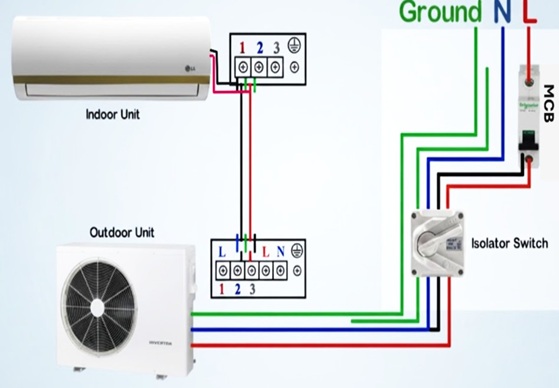
Popular Split AC

Split System

$450 — $1,200
Power Consumption0.9 – 1.5 kW/hr
Efficiency18-28 SEER
Noise LevelUltra Quiet
Install TypeWall Mounted
The most popular residential choice. Separates the evaporator (indoor) from the condenser (outdoor) for maximum noise reduction.
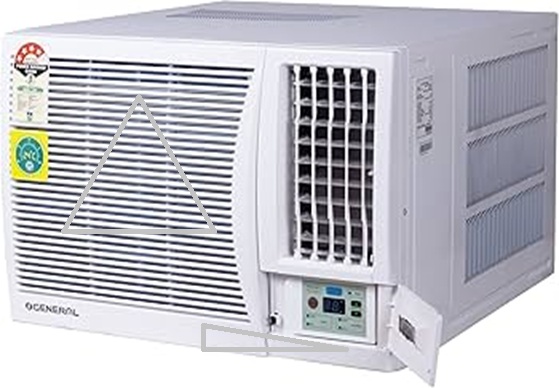
Budget Window AC

Window Unit

$250 — $850
Power Consumption1.2 – 2.0 kW/hr
Efficiency10-14 SEER
InstallSelf-Installable
DurabilityHigh
Reliable and cost-effective. Best for renters or single-room cooling where wall modification isn’t an option.
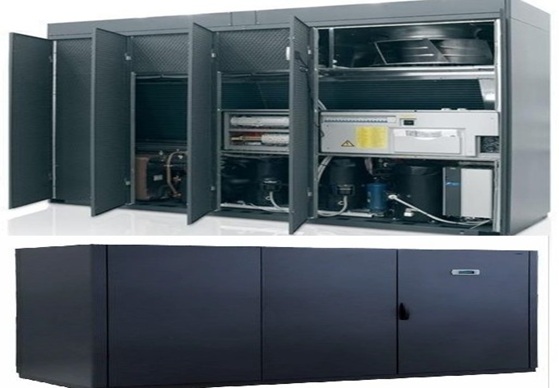
IT-Server Window AC

Multi-Split System

$1,800 — $5,000
Power Consumption2.5 – 5.0 kW/hr
Efficiency16-22 SEER
Zones2-5 Rooms
Outdoor UnitsSingle Condenser
Suitable for IT server room requiring rapid cooling. Two units operate in a main/standby configuration, with a controller optimizing load balancer for reliable performance.
Heavy Duty Tower AC

Floor-Standing Tower

$800 — $2,200
Power Consumption1.8 – 3.5 kW/hr
Efficiency12-16 SEER
Capacity2.0 – 5.0 Tons
UsageCommercial/Halls
Powerful vertical airflow. Designed for large open spaces like restaurants, showrooms, or prayer halls.
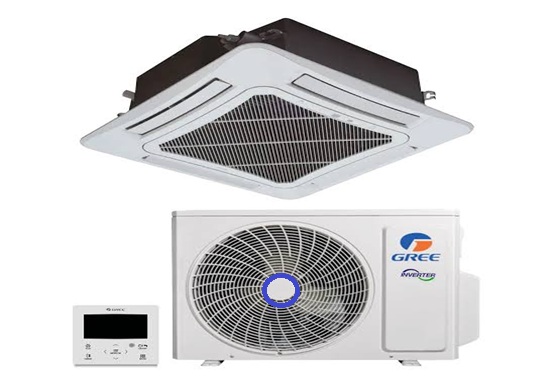
Commercial Cassette AC

Ceiling Cassette

$1,200 — $3,500
Power Consumption1.5 – 2.8 kW/hr
Efficiency15-20 SEER
Coverage4-Way Airflow
FinishMinimalist
Distributes air evenly in four directions. The unit is hidden within a false ceiling, making it aesthetically superior.
Enterprise Central HVAC

Central HVAC

$3,500 — $10k+
Power Consumption4.0 – 15.0 kW/hr
Efficiency14-20 SEER
TypeDucted System
Best ForWhole Mansion
The gold standard for full-property climate control. Requires architectural planning for ductwork paths.

The Thermodynamic Process

01
Compression

The compressor takes low-pressure gas and makes it high-pressure and high-temperature.

02
Condensation

Hot gas passes through outdoor coils, releasing heat to the environment and turning into liquid.

03
Expansion

High-pressure liquid passes through a tiny valve, causing an instant drop in temperature.

04
Evaporation

Cold liquid absorbs indoor heat, cooling the room and returning to gas state for the next cycle.

Maintenance & Efficiency

Filter Optimization

Clean or replace filters every 4-6 weeks during peak usage. Clogged filters reduce efficiency by up to 15%.

Annual Servicing

Schedule a professional checkup once a year to verify refrigerant levels and electrical connections.

Drain Line Care

Flush the condensate drain with a water-vinegar mix to prevent algae buildup and water leaks.

Condenser Placement

Keep the outdoor unit shaded and clear of debris (at least 2ft of space) for optimal heat exchange.

The 24°C Rule

Set your thermostat to 24°C (75°F). Every degree lower increases your power bill by roughly 6%.

Seal the Room

Ensure windows and doors are air-tight. Use curtains to block radiant heat from the sun.

Leave a Comment

Your email address will not be published. Required fields are marked *