
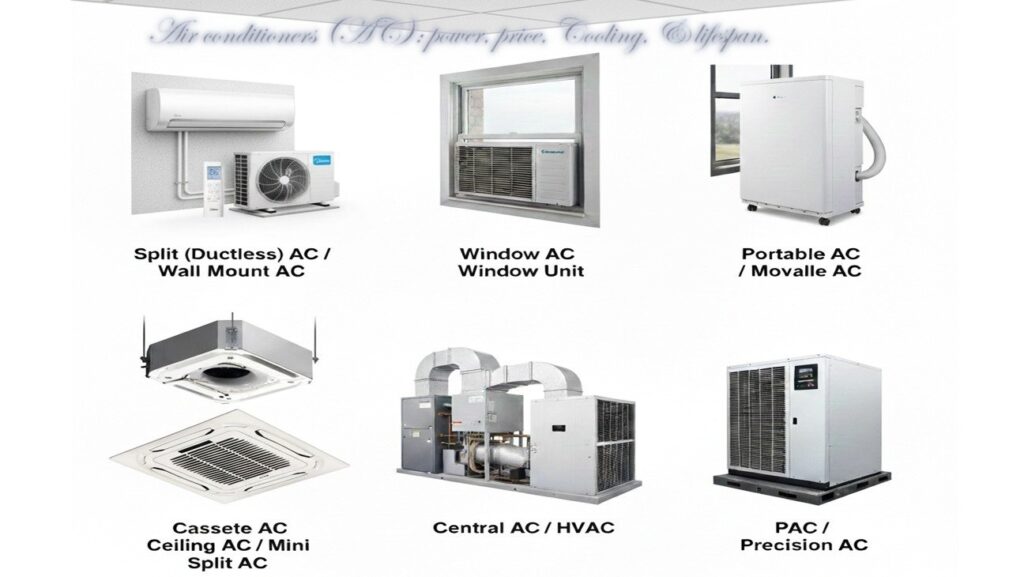
Air conditioner(AC) types, specs, and comparisons
Professional HVAC Engineering & Consumer Performance Analytics
Compare different types of air conditioners, their power consumption, specifications, and uses, as well as HVAC components and installation costs. Learn how to choose the right tonnage for your room and how to extend the lifespan of your AC.
I. Core Systems & Thermodynamics
Air Conditioning is not just about “creating cold”; it is the process of Heat Transfer based on the Second Law of Thermodynamics. Heat naturally flows from warmer to cooler areas; an AC unit uses energy to reverse this process.
Sensible Heat
The energy used to change the temperature of the air without changing its moisture content.
Latent Heat
The energy used to remove humidity (moisture) from the air, essential for comfort in tropical climates.
Air Exchange
Measured in CFM (Cubic Feet per Minute), determining how quickly a volume of air is filtered and cooled.
II. Refrigeration Cycle Principle
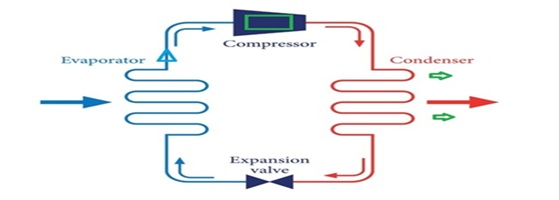
The “Phase Change” of a refrigerant from liquid to gas and back again is what allows for heat absorption and rejection.
III. BTU Tonnage Calculator
IV. Professional AC Classification
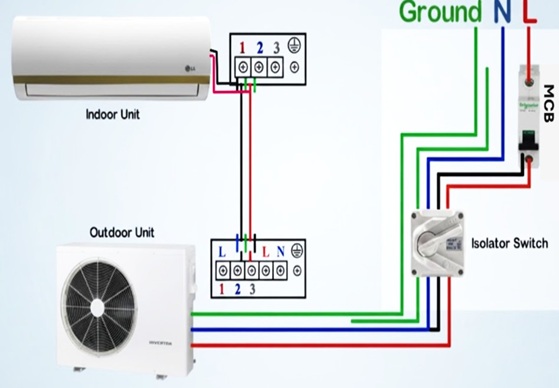
A. Split (Ductless) AC Most Popular
- Cooling Capacity: 0.8 – 2.5 Tons
- Power Consumption: 700W – 1500W
- Power Rating: 1-5 Stars (SEER)
- Noise Level: 20 – 40 dB
- Avg Units/hr: 0.9 – 1.5 kWh
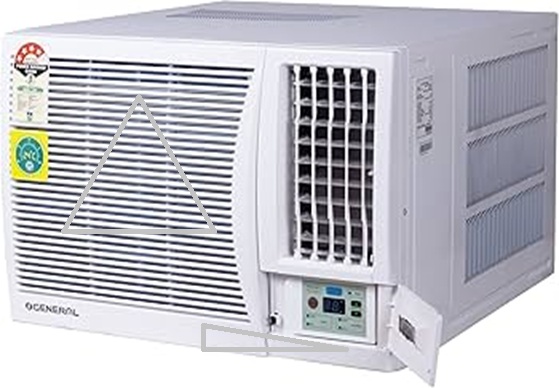
B. Window AC Unit Budget Choice
- Cooling Capacity: 0.5 – 2.0 Tons
- Power Consumption: 900W – 1800W
- Noise Level: 50 – 65 dB
- Avg Units/hr: 1.2 – 2.0 kWh
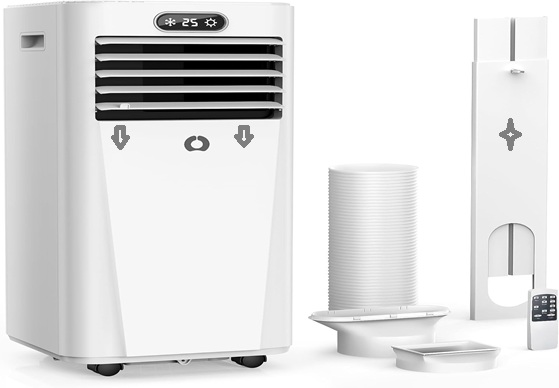
C. Portable AC Maximum Mobility
- Cooling Capacity: 0.5 – 1.5 Tons
- Power Consumption: 1000W – 1400W
- Portability: High (Wheels)
- Avg Units/hr: 1.1 – 1.4 kWh
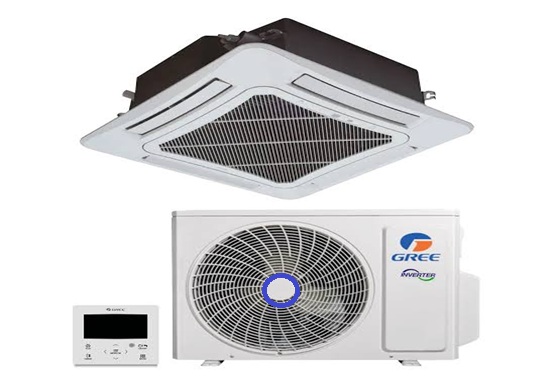
D. Cassette AC Commercial
- Cooling Capacity: 1.5 – 4.5 Tons
- Power Consumption: 1500W – 4000W
- Air Spread: 4-Way Flow
- Avg Units/hr: 2.0 – 4.5 kWh
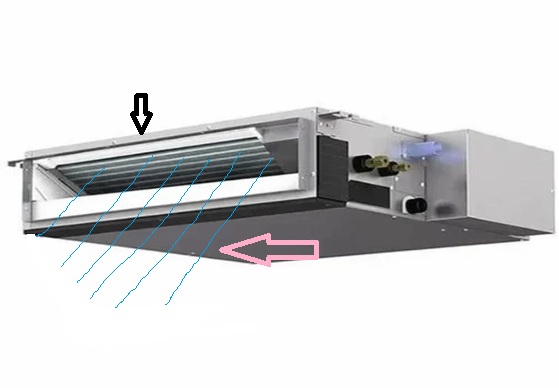
E. Central AC / HVAC Enterprise
- Cooling Capacity: 3.0 – 20.0 Tons
- Power Consumption: 3.5kW – 15kW+
- System: Ducted Distribution
- Avg Units/hr: 4.0 – 15.0 kWh
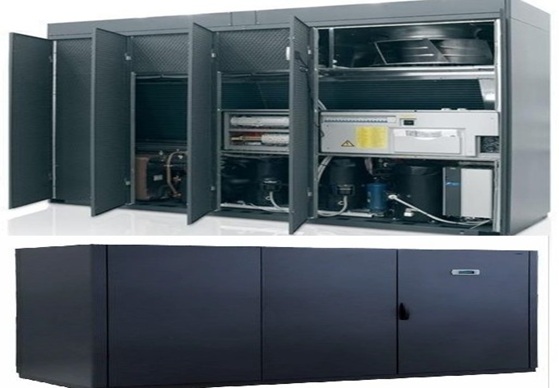
F. Precision AC Data Center
- Control: Precision +/- 1°C
- Power Consumption: 5.0kW – 25kW
- Duty: 24/7 Operation
- Avg Units/hr: Continuous Load
V. Maintenance & Efficiency Guide
Filter Hygiene
Clean filters every 30 days to save 15% on power bills.
Coil Maintenance
Annual professional cleaning prevents compressor failure.
Drainage Check
Flush drain lines to avoid mold and water leakage.
VI. Engineering Performance Matrix
| Configuration | Efficiency Index | Acoustic Impact | Tech Type | Asset Lifecycle |
|---|---|---|---|---|
| Split Inverter | ⭐⭐⭐⭐⭐ (18-28 SEER) | 20-40dB | Variable Speed | 10-15 yrs |
| Window Unit | ⭐⭐⭐ (10-14 SEER) | 50-65dB | Fixed Speed | 8-12 yrs |
| Central HVAC | ⭐⭐⭐⭐ (14-20 SEER) | 30dB (Indoor) | Duct-based | 15-20 yrs |
| Precision AC | ⭐⭐⭐⭐⭐ (Continuous) | 45-60dB | Precision Logic | 10-15 yrs |
http://HVAC cooling systems: specifications and Concepts